Investors broaden semiconductor ETF bets beyond Nvidia
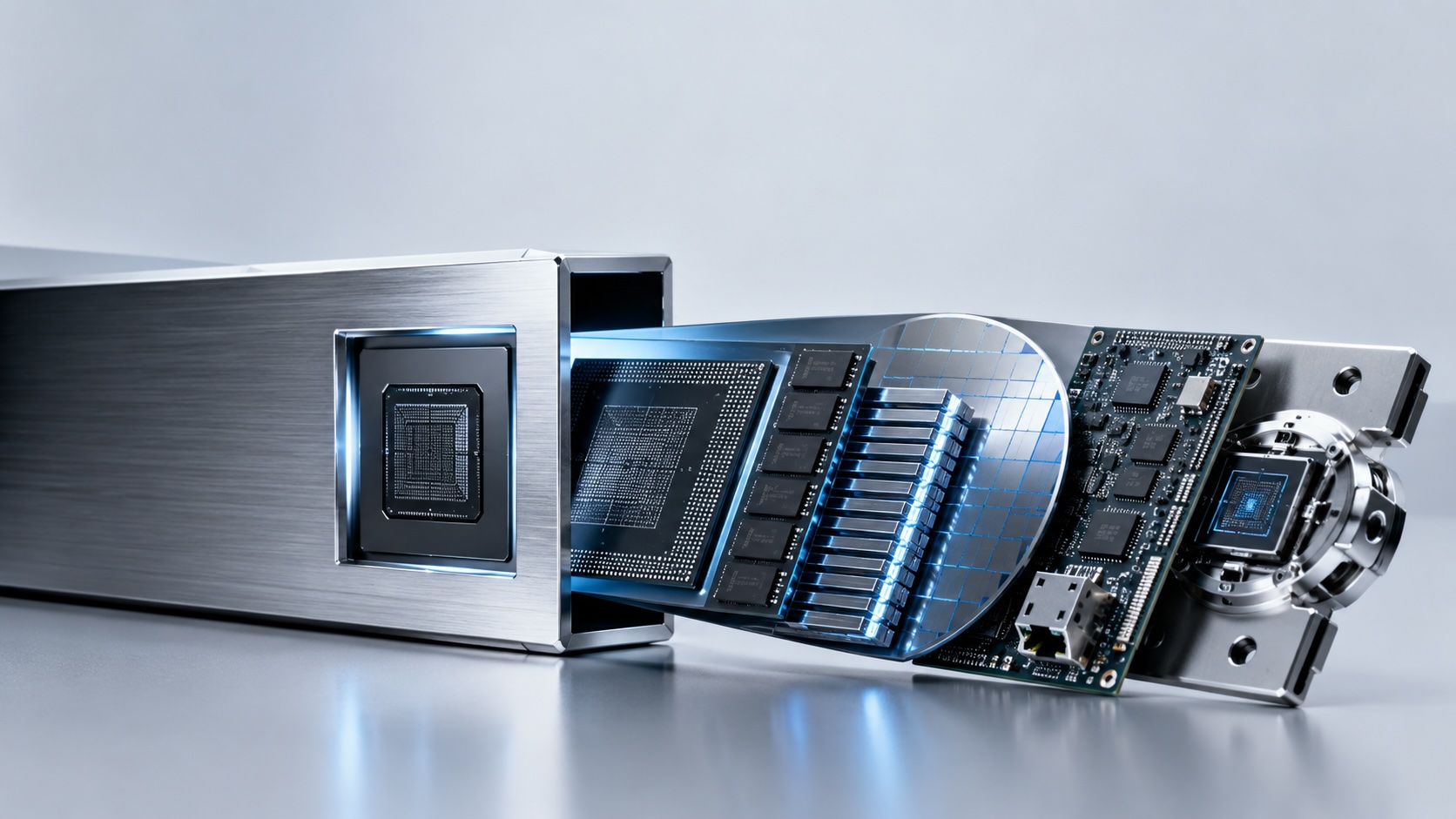
Investors are shifting holdings in semiconductor ETFs as AI demand expands into memory, networking, foundries and equipment suppliers.
Investors are widening their positions within semiconductor exchange-traded funds as artificial intelligence demand expands beyond Nvidia into memory, networking, custom chips, foundries and chip-equipment suppliers. The trend accelerated in 2026 as companies across the semiconductor value chain reported stronger sales and revenue growth.
The Semiconductor Industry Association reported that global semiconductor sales reached $791.7 billion in 2025, a 25.6% increase from 2024, and projected annual sales near $1 trillion in 2026. SIA reported $298.5 billion in global sales for the first quarter of 2026, up 25% from the fourth quarter of 2025, with March sales of $99.5 billion, a 79.2% year-over-year increase.
Corporate results have reflected that demand. Advanced Micro Devices reported first-quarter 2026 revenue of $10.3 billion, up 38% year over year, and non-GAAP diluted earnings per share of $1.37. AMD’s Data Center revenue rose 57% to $5.8 billion, and the company guided roughly $11.2 billion for second-quarter revenue, implying about 46% year-over-year growth at the midpoint. AMD management wrote in its earnings release that “Data Center (is) now the primary driver of our revenue and earnings growth.”
ETFs provide investors with different ways to capture exposure across the semiconductor chain. The VanEck Semiconductor ETF (SMH) is the largest, with nearly $60 billion in assets and about a 17% weighting in Nvidia. SMH tracks an index of the 25 largest and most liquid U.S.-listed semiconductor companies whose constituents generate at least half of their revenue from semiconductors. VanEck’s fabless ETF (SMHX) limits holdings to chip designers and excludes major manufacturers such as Taiwan Semiconductor, Texas Instruments and Intel.
The iShares Semiconductor ETF (SOXX) follows a market-cap weighted index of roughly 30 names and carries a smaller Nvidia weight, about 7%, with larger allocations to Advanced Micro Devices, Broadcom and Micron. The SPDR S&P Semiconductor ETF (XSD) uses a modified equal-weight approach that produces lower Nvidia exposure and greater representation of smaller companies.
Other options apply factor, momentum or thematic screens. The First Trust Nasdaq Semiconductor ETF (FTXL) uses a modified factor-weighted index incorporating return on assets, gross income and momentum. Invesco’s PSI and SOXQ apply momentum, quality and market-cap criteria. Global X launched the CHPX ETF in October 2025 to target semiconductor and quantum computing companies globally. Smaller or specialty funds include Strive’s SHOC and the actively managed Columbia SEMI. Leveraged ETFs such as Direxion’s SOXL and SOXS aim to deliver roughly +300% or -300% daily moves of the NYSE Semiconductor Index. Single-stock leveraged ETFs like GraniteShares’ NVDL and AMDL offer concentrated exposure to Nvidia and AMD.
Analysts and fund managers note that growth has concentrated in higher-value logic and memory chips, high-bandwidth memory, networking silicon and data-center infrastructure. They also point to questions about valuation levels, competitive dynamics among designers and foundries, and possible supply constraints if spending patterns change.
ETF selection reflects trade-offs between concentration and breadth. Market-cap weighted funds concentrate holdings in the largest names, while equal-weight and factor-based ETFs spread exposure across more companies or emphasize specific financial metrics. Investors choosing among these products are weighing exposure to Nvidia against broader participation in CPUs, accelerators, memory, foundries and equipment makers that are benefiting from current AI-related spending.
Articles by this author