Nagel: ECB may raise rates as Iran war lifts energy costs
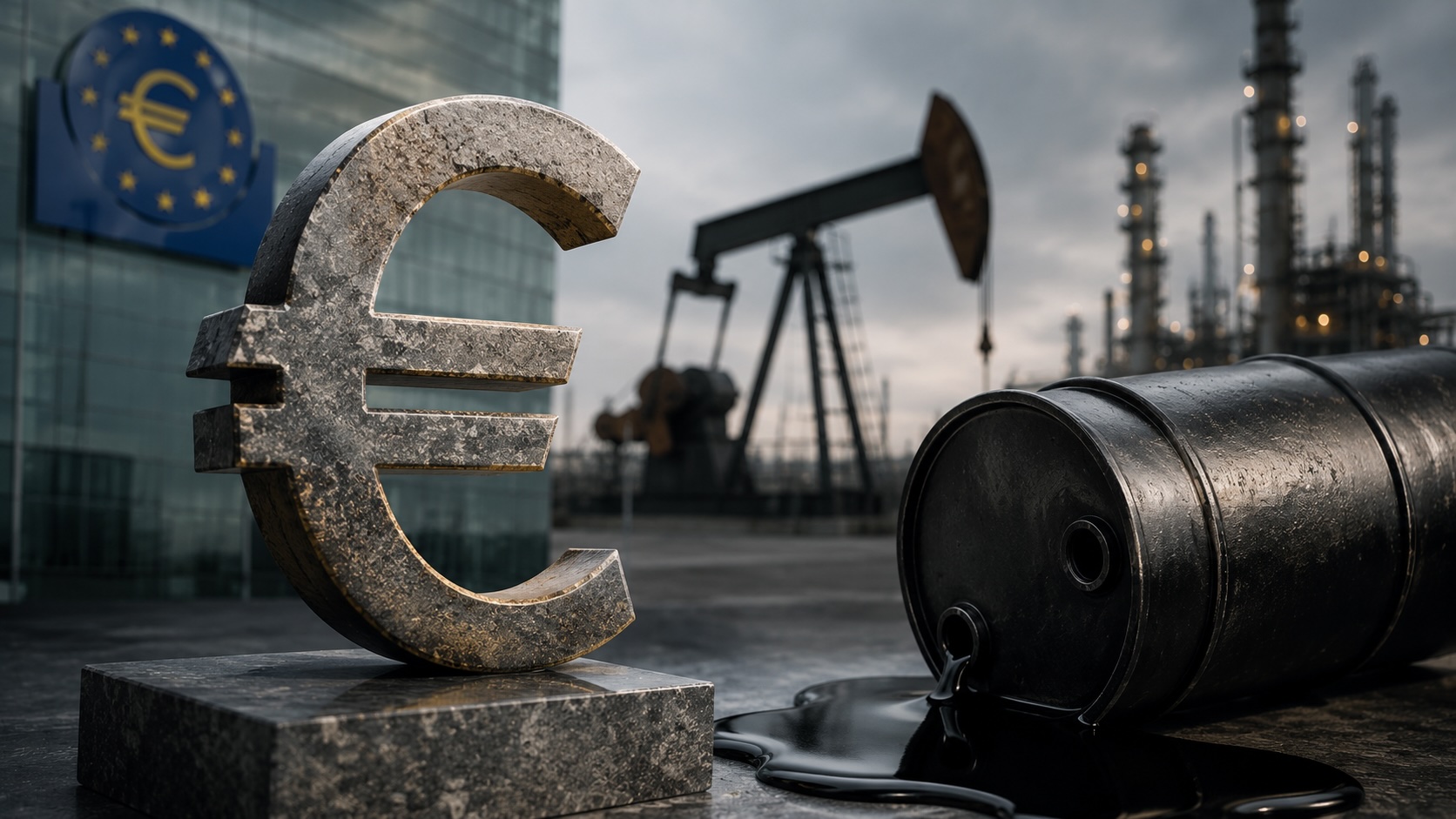
Bundesbank President Joachim Nagel warned the ECB may need to raise interest rates after the Iran war pushed European oil and gas prices higher, prompting markets to price hikes into 2026.
Bundesbank President Joachim Nagel warned the European Central Bank may have to raise interest rates as the war involving Iran pushes oil and gas prices higher across Europe, a shift that has led markets to price possible rate increases into 2026.
Nagel pointed to the risk that higher energy costs could feed into wages and broader price levels, making action by the ECB more likely. ECB chief economist Philip Lane has voiced a similar concern, saying a global oil shock could require rate increases to prevent energy-driven inflation from becoming entrenched.
The ECB’s deposit rate has been 2% since June 2025 after nearly two years of gradual cuts designed to support a weak eurozone economy. Market futures have moved quickly: traders are placing odds on one to two 25-basis-point hikes through the remainder of 2026, a notable change from weeks earlier when expectations favored flat or lower rates.
The ECB itself flagged a shift in risks, noting there are now “upside risks to inflation” alongside “downside risks to growth.” The Bundesbank has long taken a hawkish view on inflation, while officials in Italy, Spain and Greece have warned that higher rates would raise borrowing costs for governments with larger debt loads.
For investors, a decision by the ECB to raise rates while other central banks follow different paths could affect currency and bond markets and influence prices for stocks and other risk assets. A key indicator to watch is yields on European government debt: if markets more fully price future ECB hikes, yields on German bunds and other sovereign bonds would likely rise.
Market participants and analysts expect any increases to be gradual rather than abrupt, signaling a slow pacing of policy changes should the ECB move to tighten.
Tags
Articles by this author