Big tech, few makers reshape risks to subsea cables
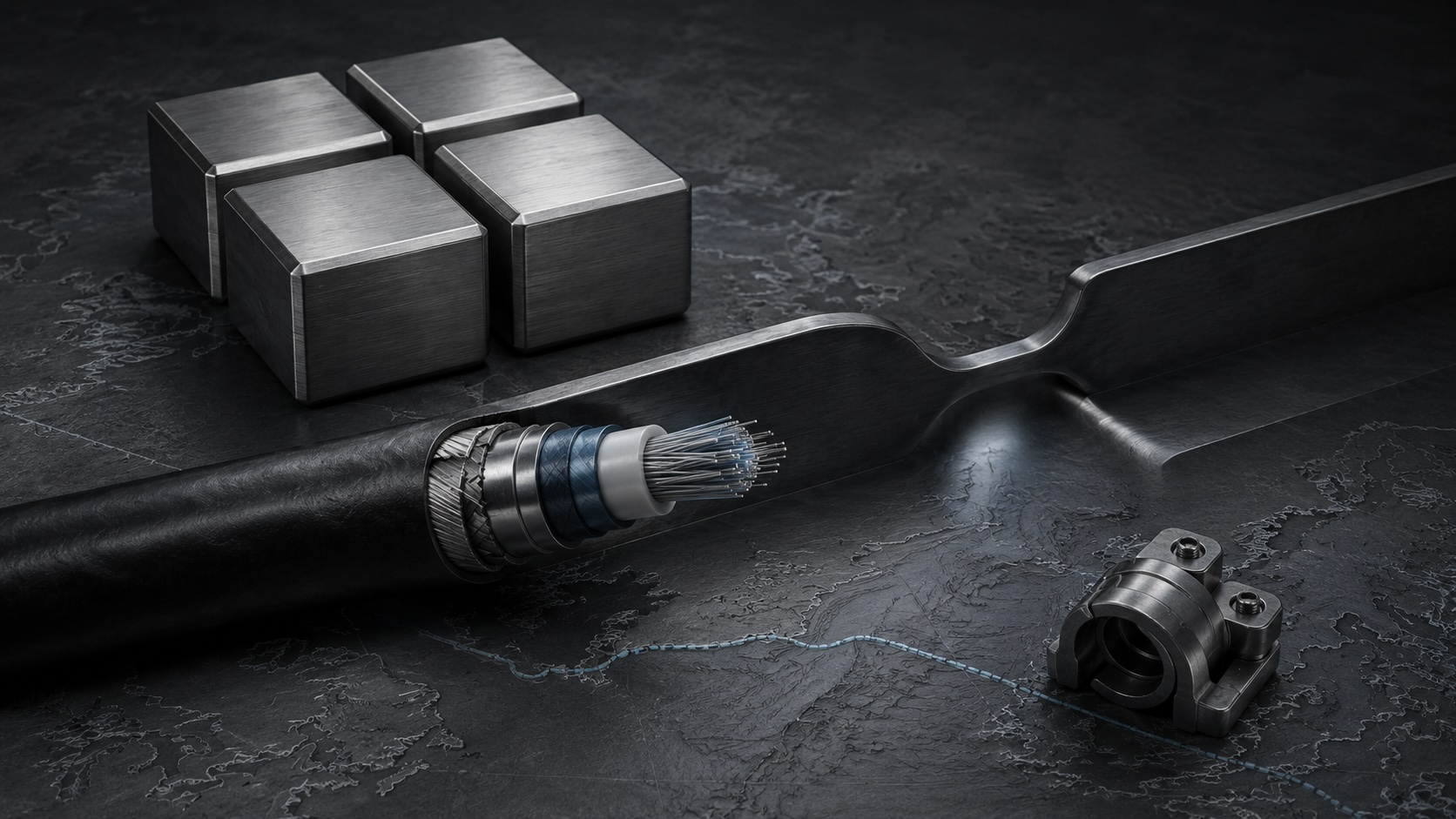
A small number of manufacturers and major tech firms fund and own most new transatlantic fiber-optic cables, creating production bottlenecks and raising privacy and security concerns.
Subsea fiber-optic cables that carry most international internet traffic are facing production and governance pressures as a few manufacturers and major technology firms fund and own many new transatlantic links. Governments and companies are tracking the changes because ownership, production and repairs involve strategic and security issues.
Samanth Subramanian, author of The Web Beneath the Waves, described modern fiber-optic lines as “a real technological marvel,” noting they use highly purified glass and laser pulses to move data across oceans. The glass guides light down long thin strands; engineers increase capacity by sending several light frequencies through a single fiber at once, a process known as multiplexing.
Production of undersea cable systems is concentrated among a handful of firms. Limited manufacturing capacity can delay projects or raise costs when new routes are planned, shipping schedules for cable-laying vessels are tight, and demand for higher capacity rises.
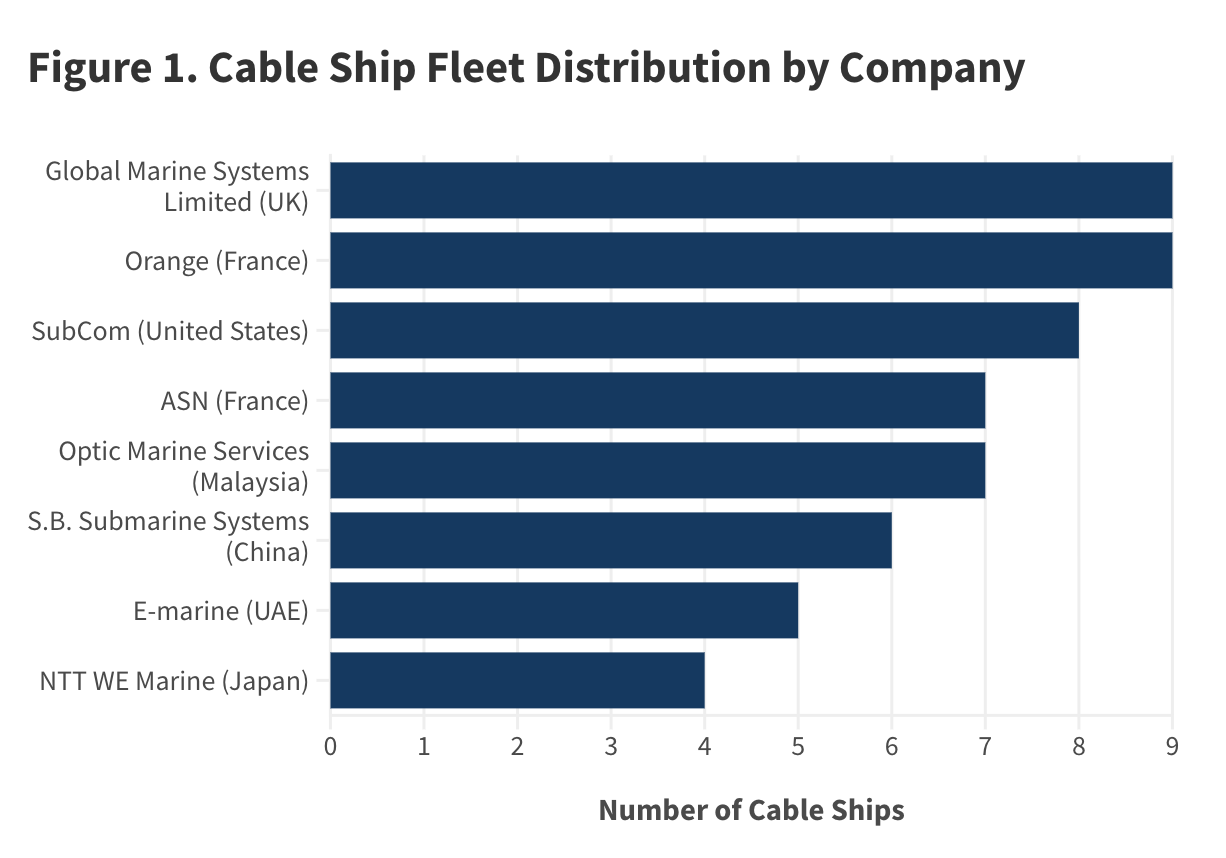
Note: Only companies with four or more ships are included in the figure.
Funding and ownership have shifted since the 1980s and 1990s, when many telecom networks were state-owned. Privatization and investor-led models changed planning and financing, and in recent years major technology companies have taken on larger roles in backing new links. Subramanian noted that around two-thirds of recent transatlantic cables were funded or owned in part or in full by four large tech firms.
The concentration of ownership and funding has prompted privacy and security questions. Regulators and national security officials are watching who controls the routes and the landing stations because cables can carry sensitive commercial and government traffic and because access to physical infrastructure affects routing decisions.
Cables are vulnerable to accidental and deliberate damage. Fishing gear and shipping anchors regularly cause outages, and military or state actions can threaten sections of the network during heightened geopolitical tensions. Repair work often requires specialized ships and can take days to weeks depending on location and weather.
Satellite networks cannot carry the same daily data volumes that undersea fiber supports, which keeps investment focused on cables and data centers. Network operators build redundancy into routes and use multiple, overlapping links to limit the effect of a single cut or outage; Subramanian compared that redundancy to the natural-monopoly economics found in rail systems.
The history of long-distance communications-from early telegraph cables to modern fiber-frames current discussions about supply chains and governance. Industry analysts and infrastructure experts have called for a wider manufacturing base and clearer rules for governing ownership and access to subsea cables so systems remain available as demand for data capacity grows.
Tags
Articles by this author