Tesla ends Model S and X production at Fremont
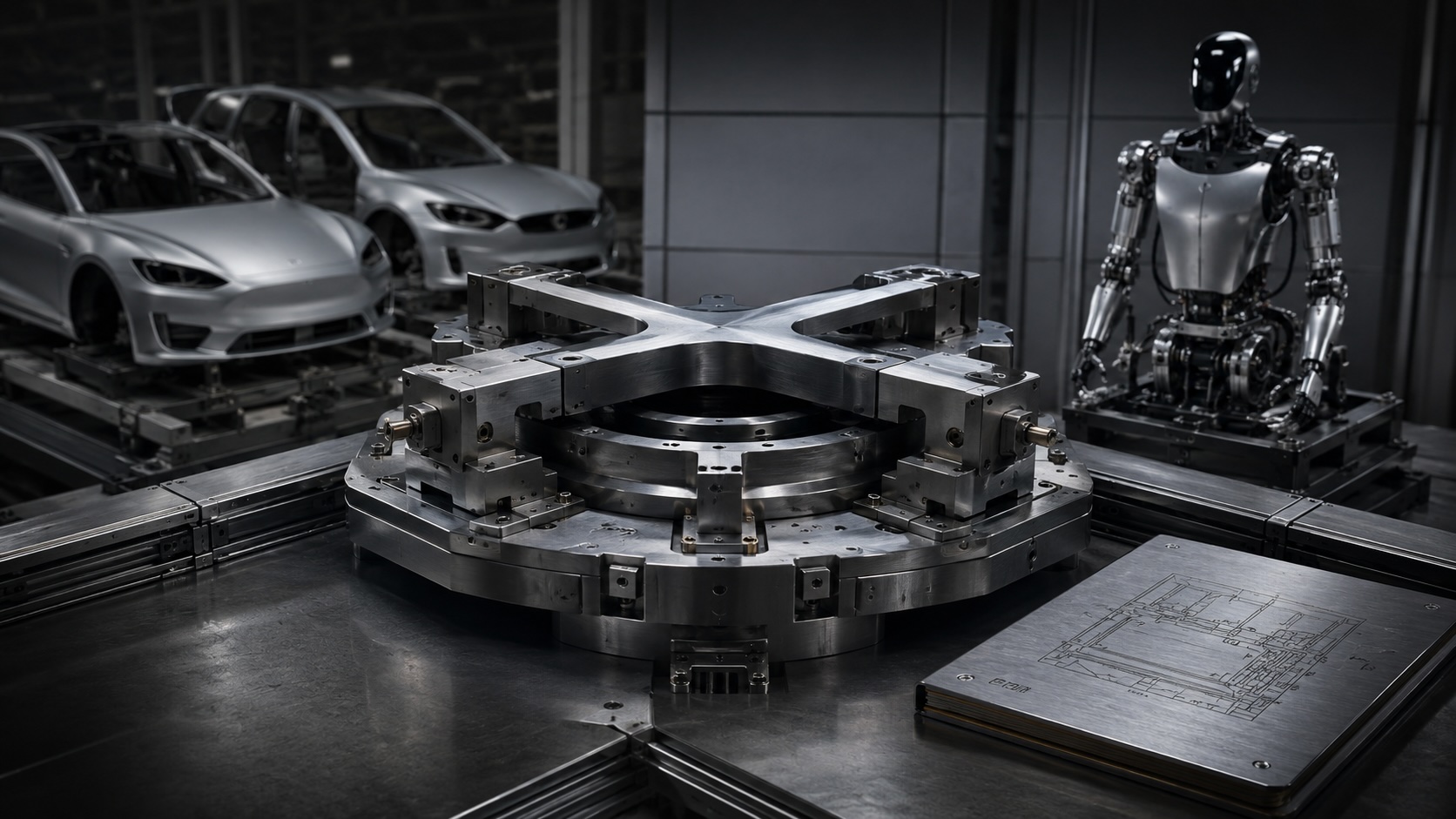
Tesla ceased Model S and Model X assembly at its Fremont, California plant around May 10, 2026; the factory will be retooled to produce third-generation Optimus humanoid robots.
Tesla has stopped production of the Model S sedan and Model X SUV at its Fremont, California factory, with final units leaving the assembly line around May 10, 2026. The company plans to convert the freed manufacturing capacity to make third-generation Optimus humanoid robots for mass production.
A limited “Signature Edition” run of 350 Plaid cars-250 Model S units and 100 Model X units-closed out the two nameplates. A delivery event for buyers of those cars is scheduled for mid-May. Tesla says existing inventory should be enough to meet remaining customer demand and does not plan to move S and X production to another facility.
The Model S debuted in 2012 and the Model X followed in 2015, the latter notable for its falcon-wing doors. The Model S had roughly a 14-year production span and the Model X about 11 years. The two vehicles helped fund development of the mass-market Model 3 and Model Y, which now account for most of Tesla’s vehicle sales.
In recent years the Model S and Model X represented a small portion of Tesla’s volume but carried higher margins. Lower-priced vehicles such as the Model 3 and Model Y provided much of the company’s sales, while the Cybertruck drew attention in the premium segment.
Tesla will retool Fremont for Optimus production and related systems integration. The company has communicated an intention to scale manufacturing of the third-generation humanoid robot using existing factory space and equipment.
Fremont personnel and tooling previously dedicated to S and X assembly will be repurposed for robot assembly lines and supporting systems as Tesla shifts part of its manufacturing workload to Optimus. The company has not announced a direct automotive replacement for the Model S or Model X in its immediate product roadmap.
Tags
Articles by this author