What is a current asset
Current assets are the resources a business expects to use or convert to cash within a year. Here’s what falls into that category, why it matters, and how it compares to long-term assets.
On this page
Understanding current assets
In accounting, what is current asset usually comes down to one question: can the business turn it into cash, use it, or sell it within the next year? If the answer is yes, it is generally classified as a current asset. These assets appear near the top of the balance sheet because they support day-to-day operations — paying suppliers, covering payroll, managing inventory, and handling short-term expenses.
The one-year mark is the standard cutoff. Assets expected to stay on the books longer are usually classified as non-current instead.
Current assets matter because profitability alone does not guarantee liquidity. A company may report strong revenue while still struggling with delayed customer payments, excess inventory, or short-term cash pressure. For investors and analysts, the current asset section helps show whether the business can comfortably meet obligations as they come due.
Main types of current assets
Most current assets fall into several standard categories, and they differ in how quickly they can be turned into cash.
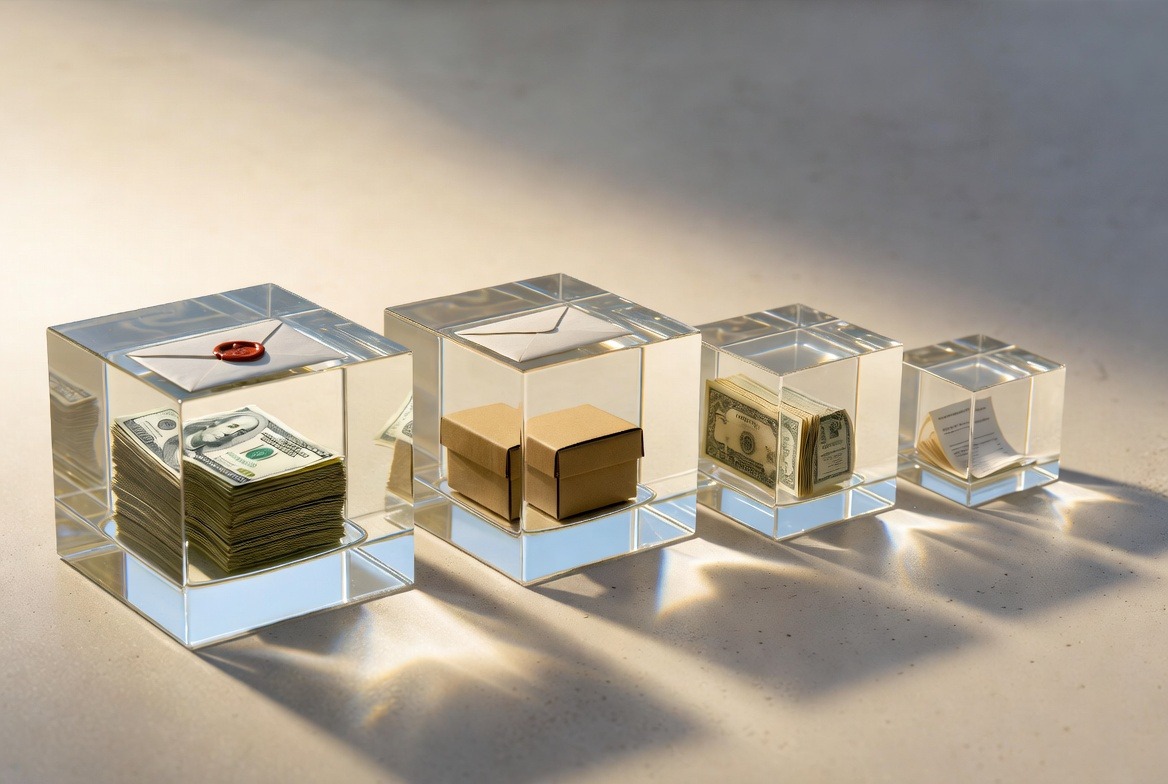
Cash and cash equivalents are the most liquid. This includes physical currency, bank deposits, and short-term instruments like Treasury bills or money market funds that can be liquidated almost immediately. Cash equivalents typically have maturities of three months or less.
Accounts receivable represents money owed to the business by customers who have received goods or services but haven’t yet paid. The figure on the balance sheet reflects expected collections, not guaranteed ones – some portions may ultimately go uncollected, which is why companies typically set aside a reserve against bad debt.
Inventory covers the goods a company holds for sale or uses in production. For a manufacturer, this includes raw materials, work-in-progress, and finished goods. For a retailer, it’s the stock on shelves. Inventory is less liquid than receivables because it requires a sale to convert to cash, and that sale isn’t guaranteed.
Short-term investments are financial instruments the company intends to hold for less than a year, such as bonds nearing maturity or marketable securities. These are kept separate from long-term investment holdings because they’re expected to be liquidated within the current period.
Prepaid expenses represent payments a company has already made for goods or services it hasn’t yet received, such as insurance premiums or rent paid in advance. They don’t convert to cash, but they reduce future cash outflows, which is why they’re counted among current assets.
Other current assets can include items like tax refunds receivable, short-term loans made to other parties, or any other asset expected to be resolved within the year.
Why current assets matter
Understanding what is a current asset is important because this section of the balance sheet shows how a company handles near-term obligations. Without enough liquid resources, a business can face cash flow problems even when it’s profitable on paper – delayed receivables, slow-moving inventory, or unexpected expenses can all create short-term pressure that earnings figures don’t immediately reveal.
Two common liquidity ratios are built around current assets. The current ratio divides total current assets by total current liabilities. A ratio above 1.0 means the company has more short-term assets than short-term obligations, which is generally a sign of adequate liquidity. The quick ratio is more conservative, because inventory is harder to turn into cash quickly.
For businesses with seasonal revenue patterns, current assets fluctuate throughout the year. A retailer may carry high inventory before the holiday season and see that drop sharply in January. Tracking current assets over time, rather than at a single point, gives a more accurate picture of how a business manages its working capital.
Operationally, current asset management is mostly about cash timing. The goal is to collect receivables quickly, hold inventory efficiently, and maintain enough cash to cover obligations as they come due without keeping excess funds idle.
Current assets vs non-current assets
The balance sheet divides all assets into two categories based on time horizon. Current assets are expected to be used or converted within a year. Everything else falls under non-current assets, sometimes called long-term assets.
What is a non-current asset covers a broad range of resources: property, plant, and equipment, long-term investments, intangible assets like patents and trademarks, and goodwill. These are resources the business expects to hold and use over multiple years, and they’re not available for immediate liquidity.
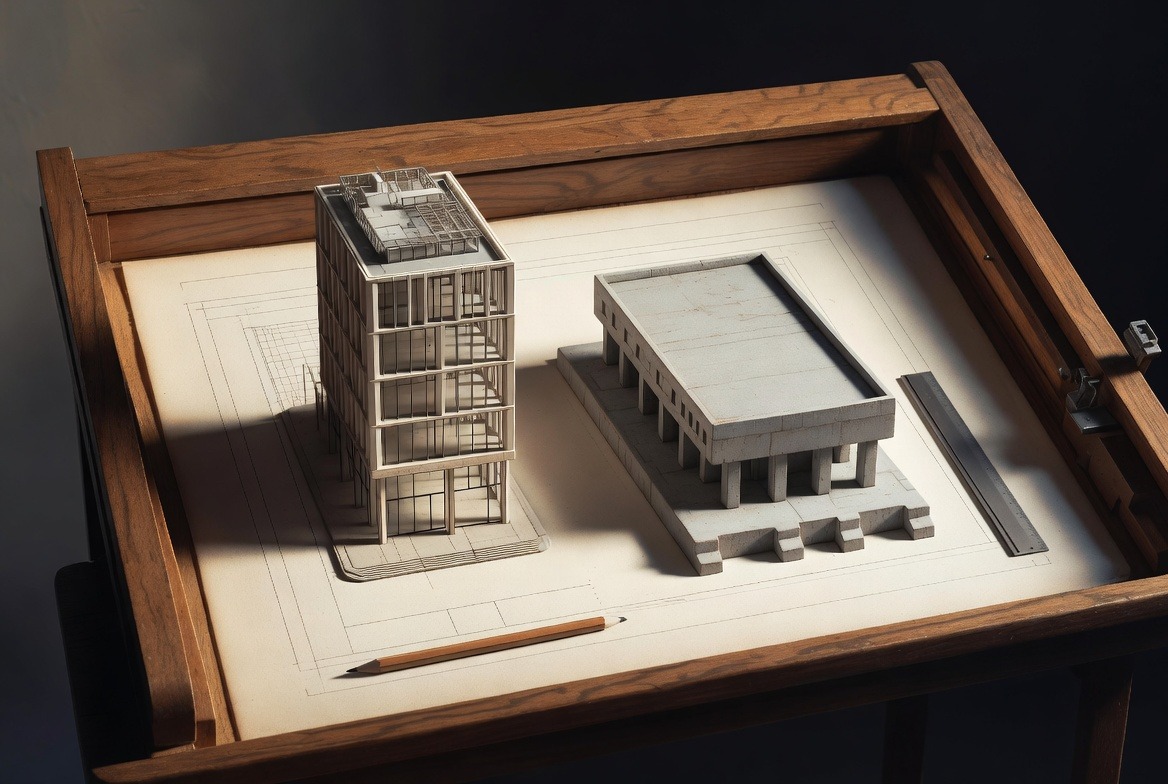
Non-current assets are typically harder to convert to cash quickly and are subject to depreciation or amortization over their useful lives. A factory building or a patent doesn’t help a company pay next month’s invoices the way a receivable does.
Investors use the split between current and non-current assets to understand the structure of a business. Capital-intensive industries like manufacturing or infrastructure tend to carry large non-current asset bases relative to current ones. Service businesses or retailers often have the opposite profile, with current assets making up a larger share of the total.
The balance between current and non-current assets can also reflect strategic choices. A company investing heavily in long-term assets is building capacity for future growth. One with a high proportion of current assets may be prioritizing flexibility and near-term liquidity. Different industries naturally operate with different balance sheet structures. What matters is whether the asset structure fits the economics of the business.
Articles by this author