Wealthy clients urged to plan for Social Security shortfall

Social Security’s main trust fund is projected to be depleted in 2032 and would cover about 78% of scheduled benefits. Advisors tell wealthy clients to model a 20% cut, delay claiming and diversify income.
Social Security’s main retirement trust fund is projected to be depleted in 2032 and would cover about 78% of scheduled benefits. Financial advisors say wealthy clients should test plans for a potential reduction, consider delaying claims and add other income sources.
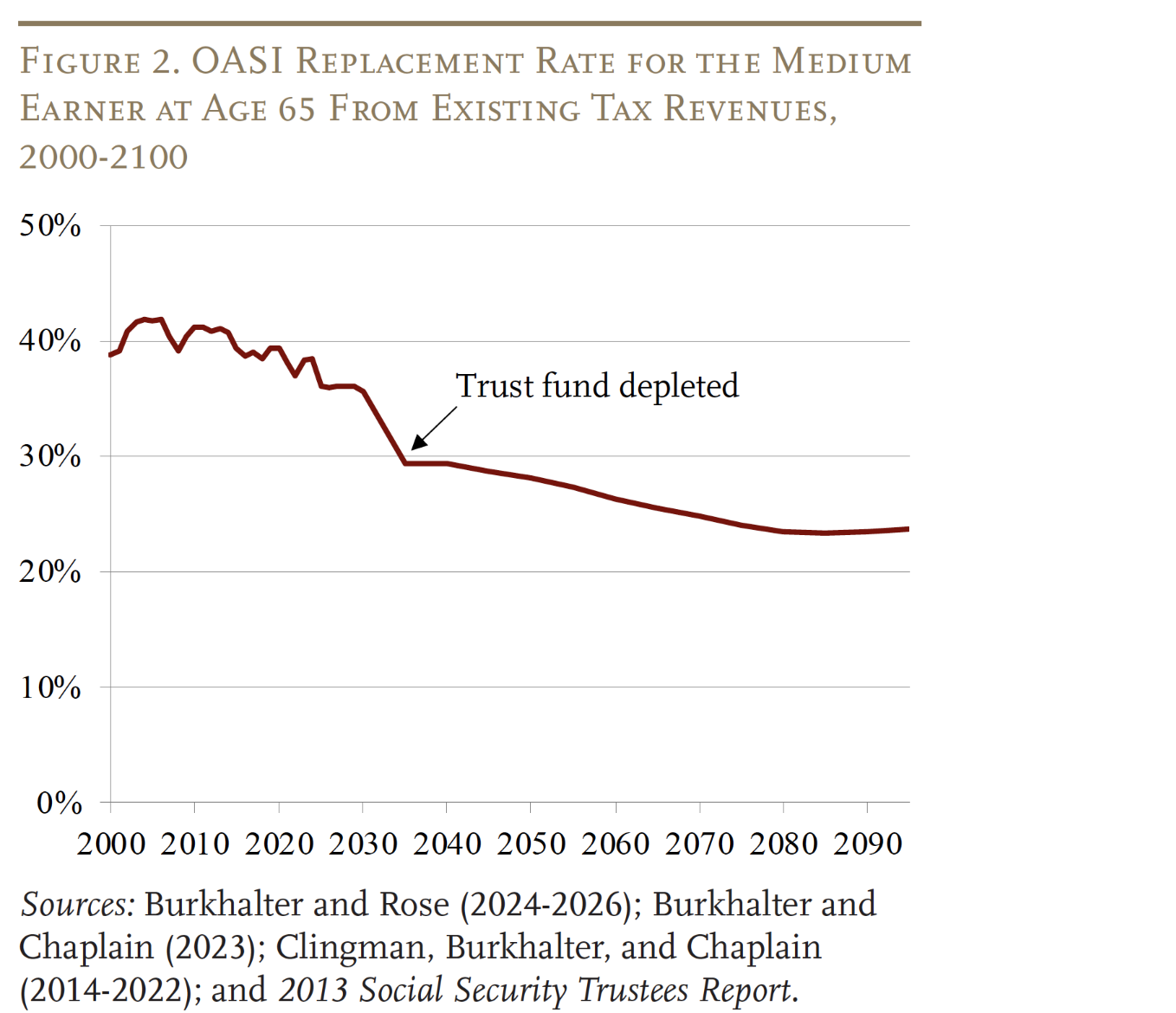
Jason J. Fichtner, executive director of the LIMRA Retirement Income Institute, recommended modeling a roughly 20% across-the-board benefit reduction to see how portfolios hold up. He advised that clients age 50 and older can use catch-up contributions to boost retirement savings and that reallocating assets or saving more now may be necessary for those close to retirement.
Jay Pelham, president of Kaufman Rossin Wealth, conducts sensitivity tests that assume steep cuts, in some cases modeling benefits at half expected levels. He explained his firm models different benefit scenarios, examines asset allocation and tax efficiency, and builds alternate income sources so clients do not rely solely on Social Security.
Ash Ahluwalia, managing director and head of Social Security planning at OneTeam Financial, cautioned against claiming benefits early solely out of fear of insolvency. “I wouldn’t be racing due to Social Security to take the money early if it’s because you’re concerned they’re going to run out of money,” he said, and he favors modeling a modest delay of one or two years to increase future checks.
Robert Conzo, CEO and co-founder of The Wealth Alliance, noted differences by age: older clients typically focus on timing their claim, while younger people often assume benefits will be much smaller or not available. For younger clients, some planners model benefits at one-third to one-half of current expectations or exclude Social Security when calculating retirement needs.
Advisors advise several practical actions: increase personal savings where possible, adjust equity allocations when appropriate, delay full retirement and continue earning, shift more savings into tax-efficient accounts, and optimize asset location and withdrawal strategies. Some planners suggest funding less for children’s college and directing more to retirement accounts to increase reserves.
Legislative options to address the trust fund shortfall include raising the full retirement age, increasing payroll taxes or reducing benefit amounts. Any change to rules or benefit formulas would influence claiming strategies and projected retirement income.
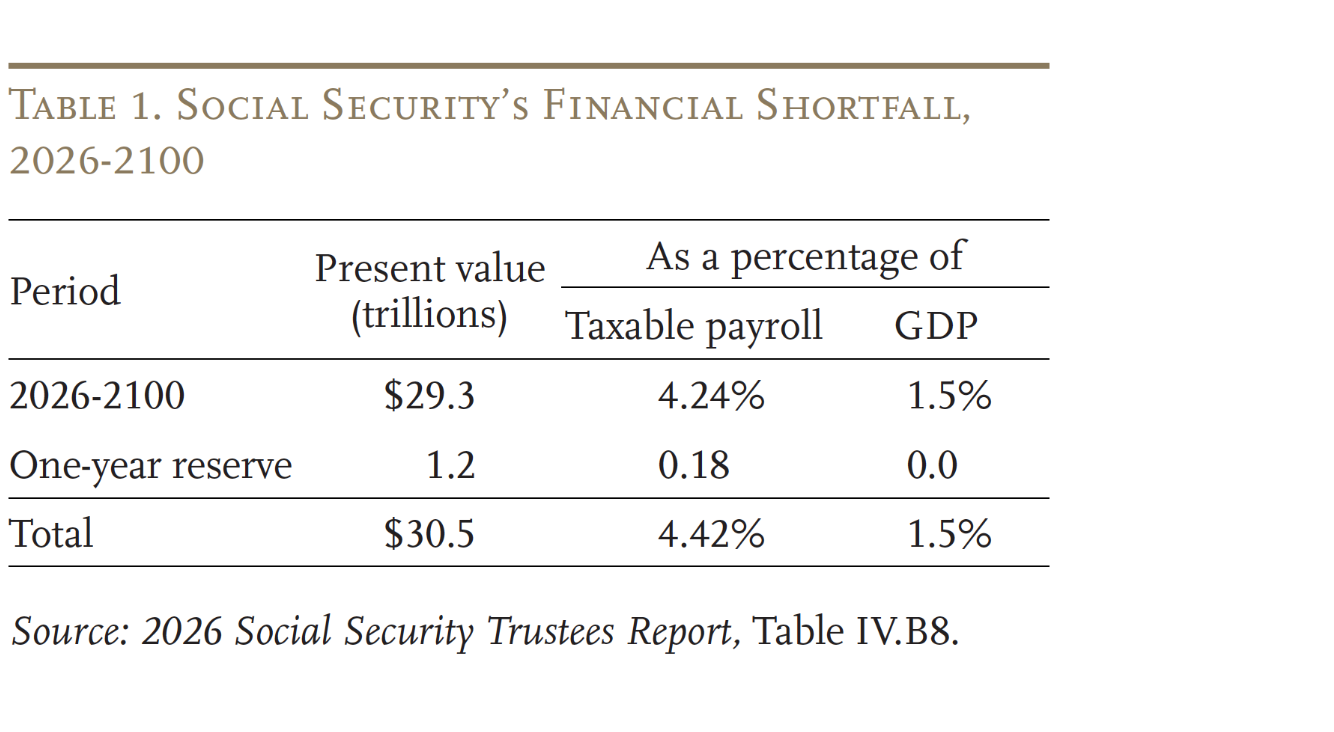
Advisers recommend running multiple scenarios and stress tests to measure the impact of cuts or rule changes on retirement plans. The projection has prompted financial planners to review client strategies and to incorporate lower-benefit scenarios into planning, while stopping short of recommending immediate claiming changes for all clients.
Articles by this author