TSMC: AI to sustain chip demand as US buildout slows
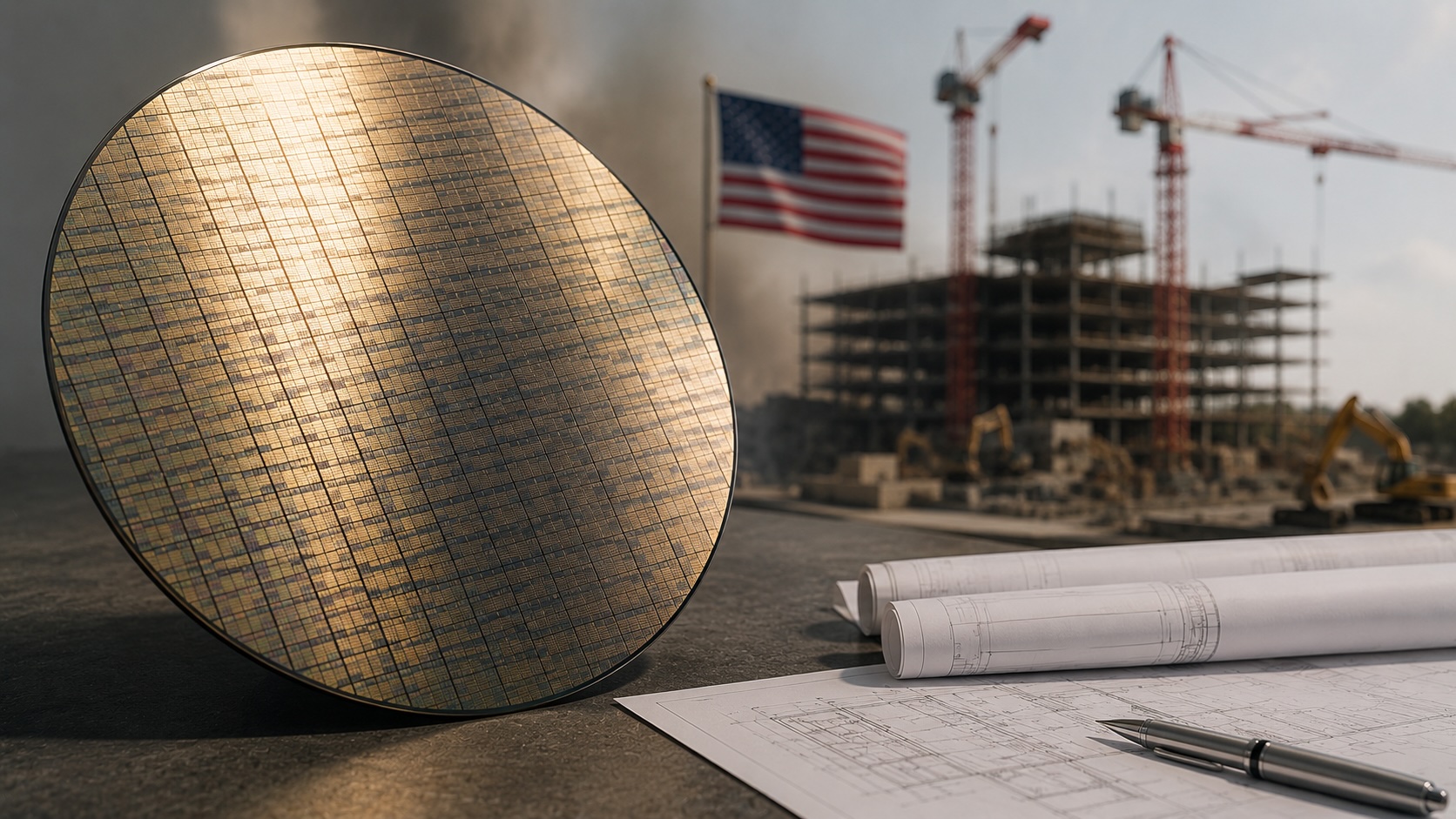
TSMC CEO C.C. Wei told shareholders AI will keep demand strong for advanced chips, but US production buildout to meet customers will take ‘very long’.
TSMC Chief Executive C.C. Wei spoke to shareholders in Hsinchu during Computex week and said artificial intelligence will sustain strong demand for the company’s most advanced chips for years. He added that building enough US-based production to meet customer needs will take ‘very long’.
Wei noted customers remain positive about AI-related demand and pointed to increasing adoption of AI models across consumer, enterprise and sovereign applications. That adoption is raising demand for computing power and supporting orders for TSMC’s leading-edge manufacturing used in data centres, high-performance computing and AI training and inference chips.
TSMC supplies Nvidia and other major chip designers that are expanding AI infrastructure worldwide. The company raised its annual revenue forecast in April and increased capital spending to keep pace with demand, Wei reported. Investors have pushed the stock higher, from T$950 on June 3 last year to T$2,425 by Wednesday, reflecting market enthusiasm around AI-driven orders.
Wei described a notable rise in employee rewards tied to the company’s performance. Employee profit sharing increased about 30% from 2023 to 2024 and roughly 30% again from 2024 to 2025. He said, ‘We are confident it will rise by another 30% in 2026’ and added there is ‘no ceiling for 30% annual growth’ in profit sharing.
Wei warned of headwinds, citing rising component costs and wider uncertainty in the technology supply chain. He explained that replicating Taiwan’s advanced manufacturing ecosystem in the US requires not only building fabs but also securing sophisticated equipment, trained workers, local suppliers and supporting infrastructure, which makes rapid onshoring difficult.

The company is expanding capacity outside Taiwan while closely monitoring costs. Wei highlighted longer-term demand opportunities beyond AI data centres, citing autonomous vehicles, robotics and sovereign AI projects as additional markets for advanced semiconductors.
Geopolitical tensions remain a factor for customers and investors. China’s increased military pressure on Taiwan is seen as a risk because any disruption to the island’s advanced manufacturing could affect global technology supply chains. Nvidia CEO Jensen Huang, who attended Computex, said the company has sufficient supply to support growth in CPUs and GPUs, although capacity constraints persist.
Wei’s remarks outlined TSMC’s current demand outlook, the company’s investment response and the practical challenges of expanding advanced production capacity outside Taiwan.
Tags
Articles by this author