BP, Shell shares drop to late-February lows after U.S.-Iran deal
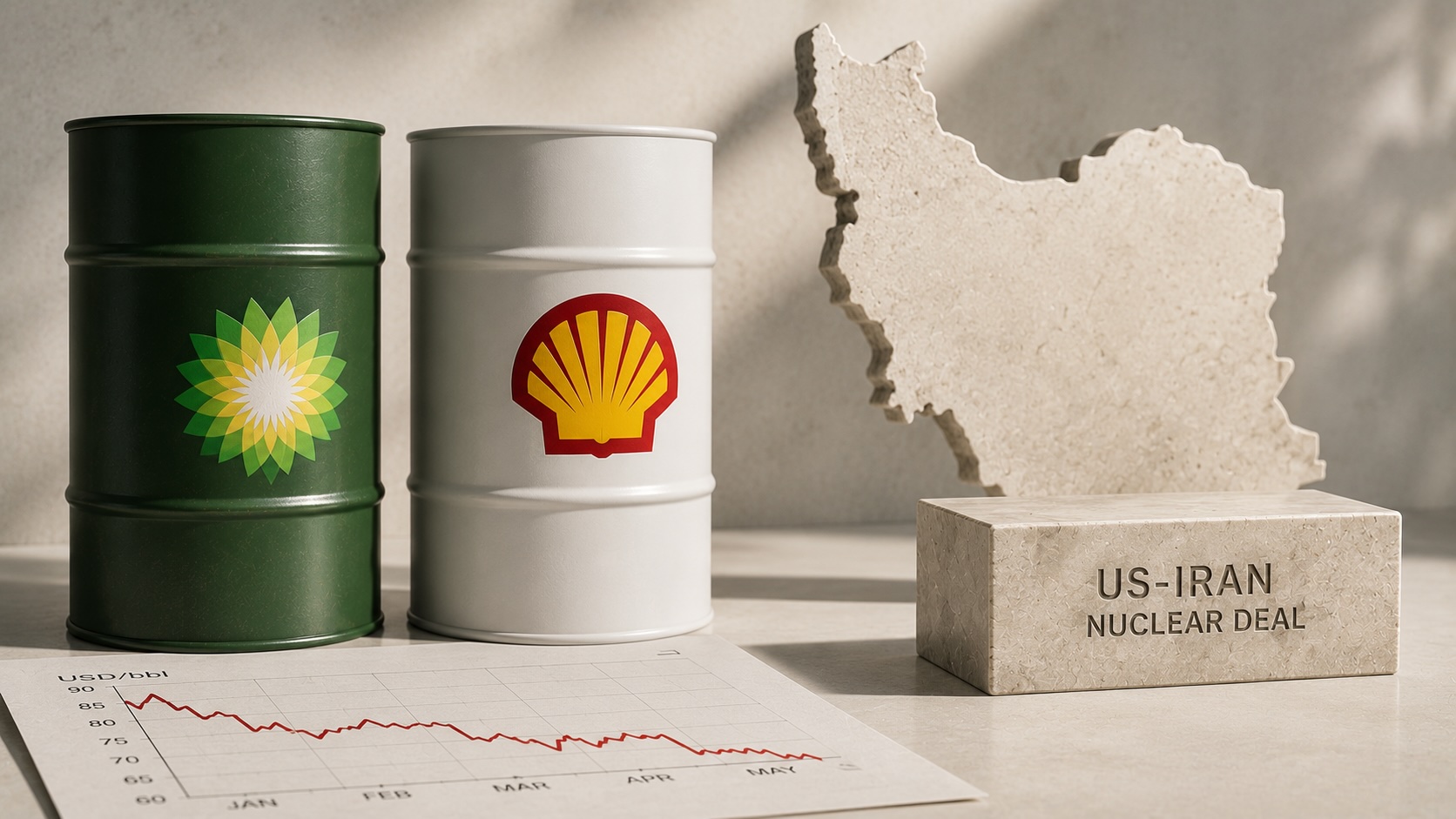
BP and Shell fell to their lowest since Feb. 27 in London trading — BP 472p, Shell 2,900p — after a U.S.-Iran agreement pushed crude prices lower.
BP and Shell shares slid in London this week to their lowest levels since Feb. 27, with BP at 472p and Shell at 2,900p. The declines occurred amid a wider sell-off in energy stocks.
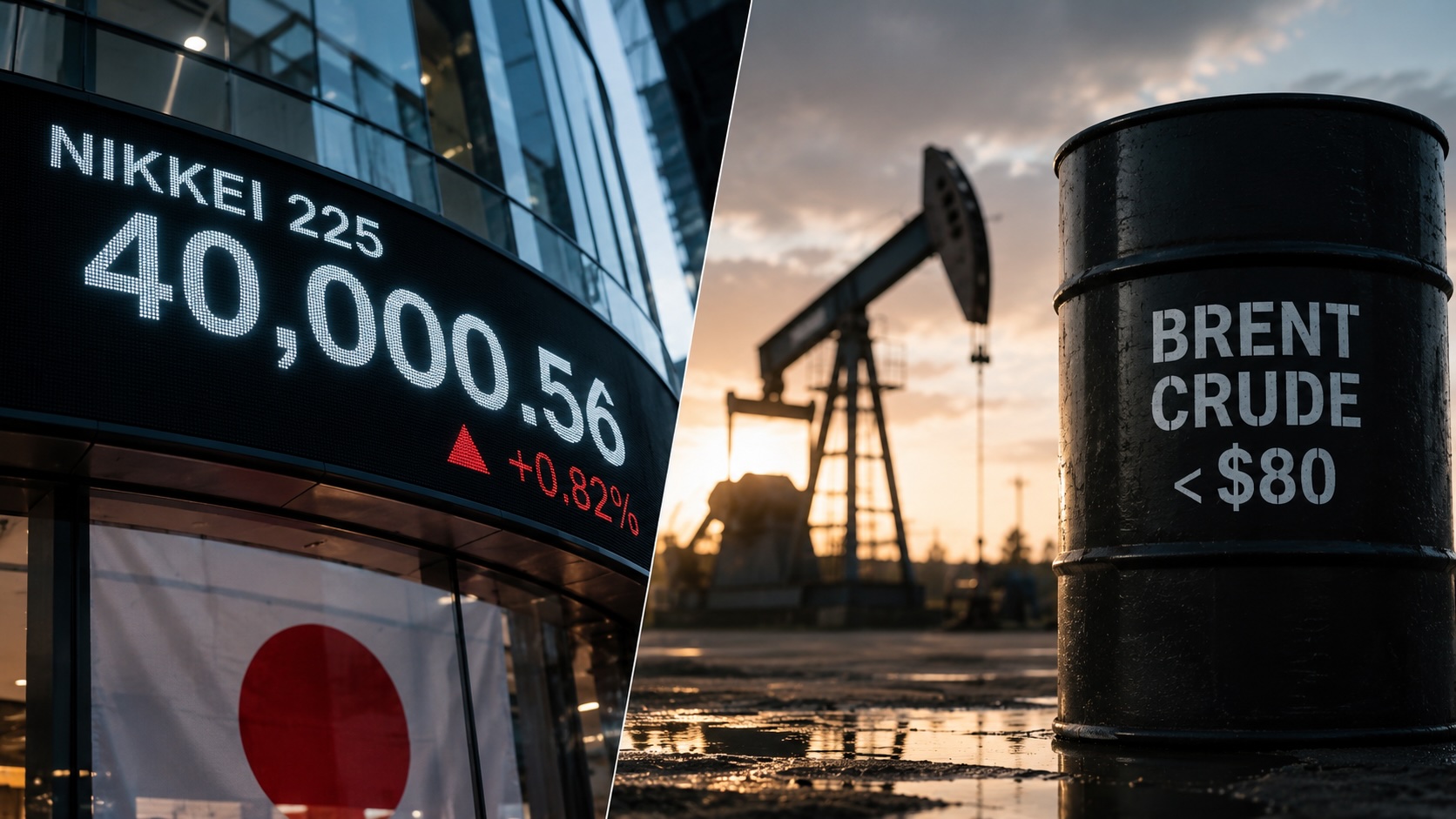
Traders moved away from oil names after a U.S.-Iran agreement reduced regional tensions and eased immediate supply concerns. Brent traded around $73 a barrel and West Texas Intermediate near $70.
The SPDR Energy Select Sector ETF (XLE) fell to $54 from a year-to-date high of $63. Major producers including ExxonMobil and Chevron also recorded losses this month.
Natural gas prices have declined as supplies have increased. Market participants pointed to higher output from Gulf producers and a large flow of tankers through the Strait of Hormuz, while oil buying from China has yet to return to pre-conflict levels.
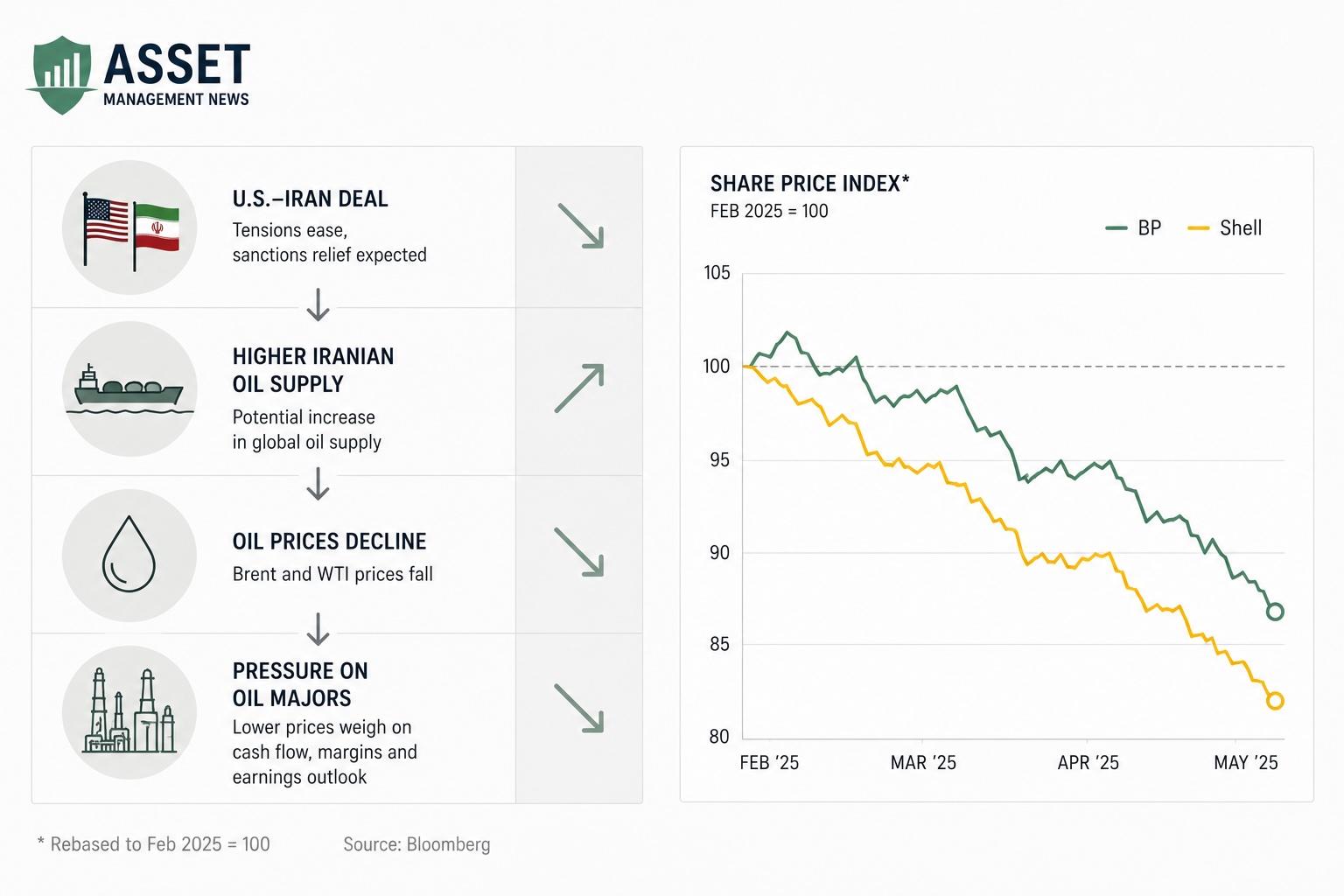
Analysts and traders attribute the recent drop to the removal of an immediate risk premium that had supported crude since the outbreak of hostilities, a factor behind energy-sector gains earlier in the year when Brent rose from about $50 to roughly $126.
Risks remain. Iran reported shooting down a tanker attempting to cross the Strait of Hormuz this week, and regional officials have warned the ceasefire could break down. Some market observers highlight the possibility of actions by regional actors that could affect the agreement.
BP reported first-quarter profit of more than $3.8 billion, reversing a loss of over $3.4 billion in the prior quarter and up from a £687 million profit a year earlier. BP’s operating profit was $2.86 billion, compared with $2.83 billion a year earlier. The company has sold its Gelsenkirchen refinery and announced a change in chairmanship, replacing Albert Manifold.
Shell reported adjusted earnings of $6.9 billion, started a $3 billion share buyback program and increased its dividend by 5%.
Market strategists expect investors to monitor upcoming quarterly results, share buyback plans and dividend policies for indications of how oil majors will respond if crude and gas prices remain lower and Gulf supplies continue to rise.
Articles by this author