Prediction markets target hedge funds and insurers

Kalshi and peers pitch event-based contracts to hedge funds, brokerages and insurers. Kalshi processed $17.9 billion in trading last month and raised $1 billion at a $22 billion valuation.
Prediction-market firms led by Kalshi are pitching event-based contracts to hedge funds, brokerages and insurers as tools for institutional hedging. Kalshi processed $17.9 billion in trading last month and raised $1 billion at a $22 billion valuation.
The contracts reference measurable events such as elections, sports outcomes and commodity prices. Kalshi introduced perpetual-futures-style contracts in May that allow leveraged exposure to event-driven markets and has piloted block trades to enable large bilateral transactions between institutions.
The perpetual-style contracts are currently limited to crypto-linked markets. Kalshi and other operators report that the new instruments have produced billions of dollars in trading activity since their launch.
Early institutional participation includes specialist insurers, small businesses and trading firms. A bar in New York used a contract to hedge a customer promotion tied to an NBA playoff result. An insurer that structures products for sports organizations and Game Point Capital have used prediction-market contracts to offset athlete bonus payouts.
Market makers and trading firms have supplied liquidity and helped shape market structure. Susquehanna International Group became Kalshi’s first official market maker in 2024 and has been active in supporting market depth on the platform.
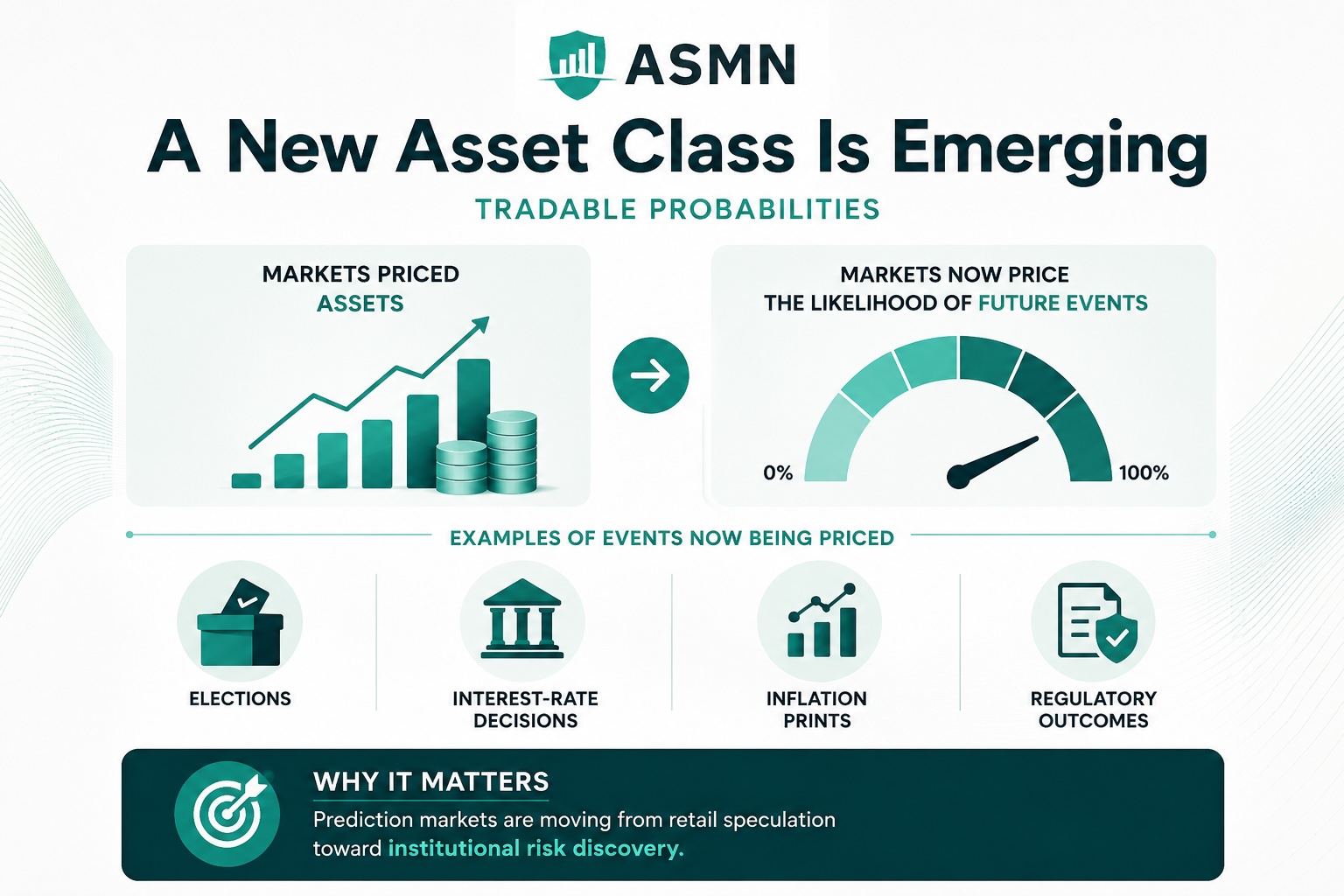
Platform operators say the next phase could extend hedging to macroeconomic and political risks, along with commodity prices and supply-chain costs. Institutional features such as block trades and leveraged contracts are intended to let firms move larger positions or create hedges for specific event outcomes.
Structural and regulatory questions persist. Liquidity and market depth remain limited compared with established derivatives venues, and many contracts are dominated by retail trading. State legal challenges are testing whether prediction markets fall under sports-betting rules or can be classified as hedging instruments.
Most trading remains retail-driven and institutional adoption is at an early stage while product testing, market making and regulatory reviews are ongoing.
Articles by this author