Laffont bets on TSMC, Lam and Applied Materials
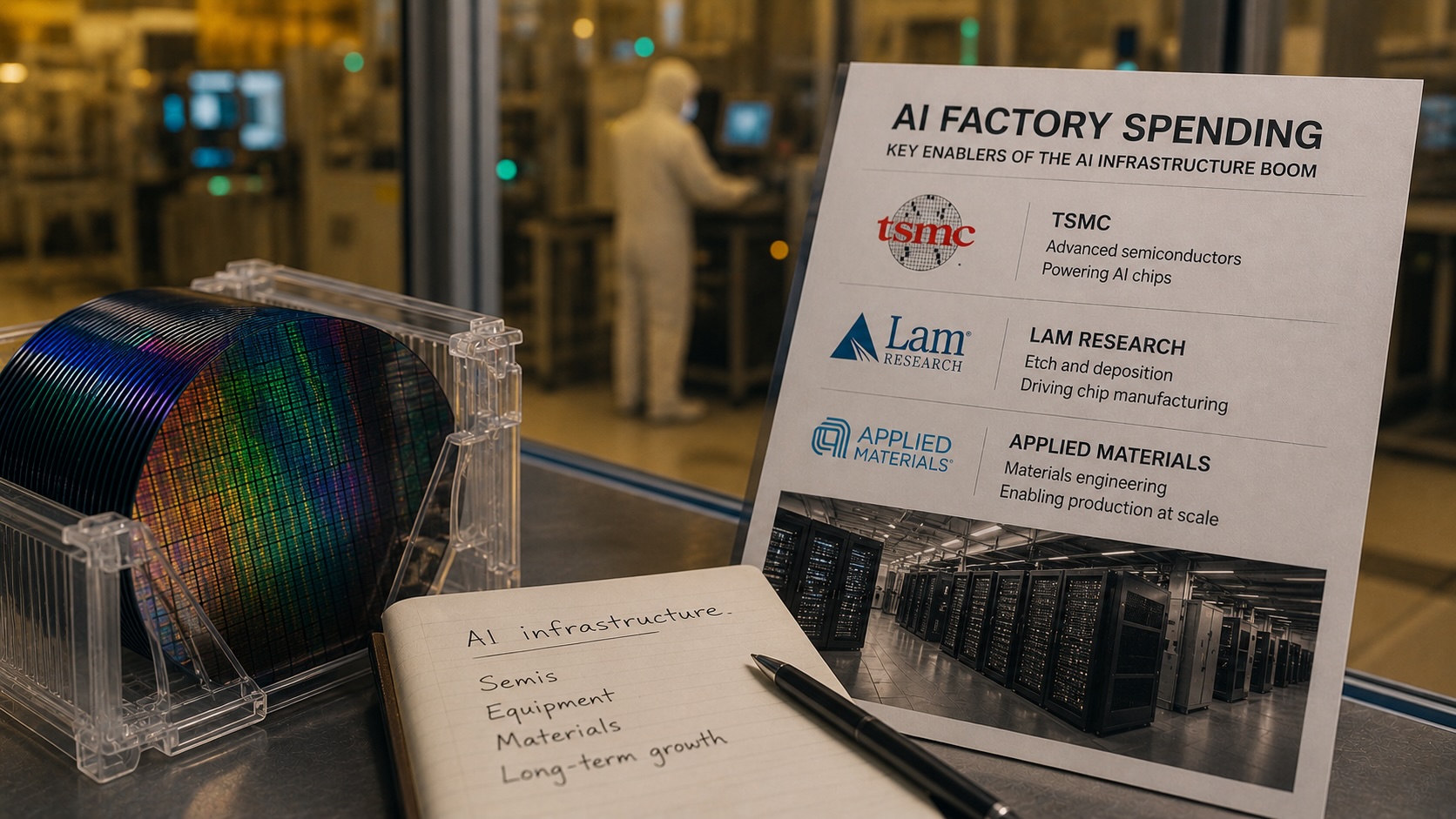
Coatue founder Philippe Laffont favors stakes in TSMC, Lam Research and Applied Materials to capture AI-related factory spending rather than backing individual chip designers.
Philippe Laffont, founder of Coatue Management, said in a recent interview that the $90 billion hedge fund is pursuing a “picks-and-shovels” approach to the AI buildout. Coatue holds sizable stakes in Taiwan Semiconductor Manufacturing Co., Lam Research and Applied Materials to gain exposure to semiconductor manufacturing demand.
Laffont explained that designers of AI chips must use advanced foundry capacity to turn designs into products. He pointed to companies building custom processors and to startups entering the GPU market to illustrate the point. “All of them at the end of the day will need the same machines,” he said, noting that TSMC supplies leading foundry nodes to most major chipmakers and new entrants.
Lam Research is part of Coatue’s strategy because its equipment handles etching and deposition steps used to build modern memory and logic structures. Current AI workloads rely on high-bandwidth memory and advanced packaging that require precise vertical etch and deposition processes, Laffont said. Ownership of Lam shares gives Coatue exposure to sales of the capital equipment used across many fabs.
Applied Materials represents the fund’s exposure to materials engineering and fabrication tools. Applied supplies systems used across wafer processing and benefits from initiatives to expand local chip production and related subsidies. Laffont highlighted that the three companies provide exposure to factory spending without making an exact bet on any single chip architecture.
All three firms pay dividends, adding an income component to potential gains from a sustained capital expenditure cycle in chipmaking. Laffont, an MIT graduate who worked under Tiger Management founder Julian Robertson early in his career, said the supplier-focused strategy helps the fund stay aligned with continued investment in semiconductor manufacturing. “If I’m a supplier to the fabs, I don’t need to make an exact bet on which of the chips is going to win,” he added.
Articles by this author