Fed, AI and policy shifts may benefit value stocks in 2026

Higher CPI and PPI readings, Kevin Warsh’s Fed, expanding AI adoption and federal legislation are reshaping market conditions and influencing value stocks and funds such as BNY Mellon’s BKDV in 2026.
Higher-than-expected Consumer Price Index and Producer Price Index readings in the first months of 2026 coincided with Kevin Warsh taking leadership of the Federal Reserve. The central bank has kept interest-rate cuts on hold while it evaluates incoming inflation data.
Historically, value equities, especially companies with pricing power, have had the ability to maintain margins during inflation by passing higher input costs onto customers. Market participants point to past periods where such firms showed relative strength when inflation rose.
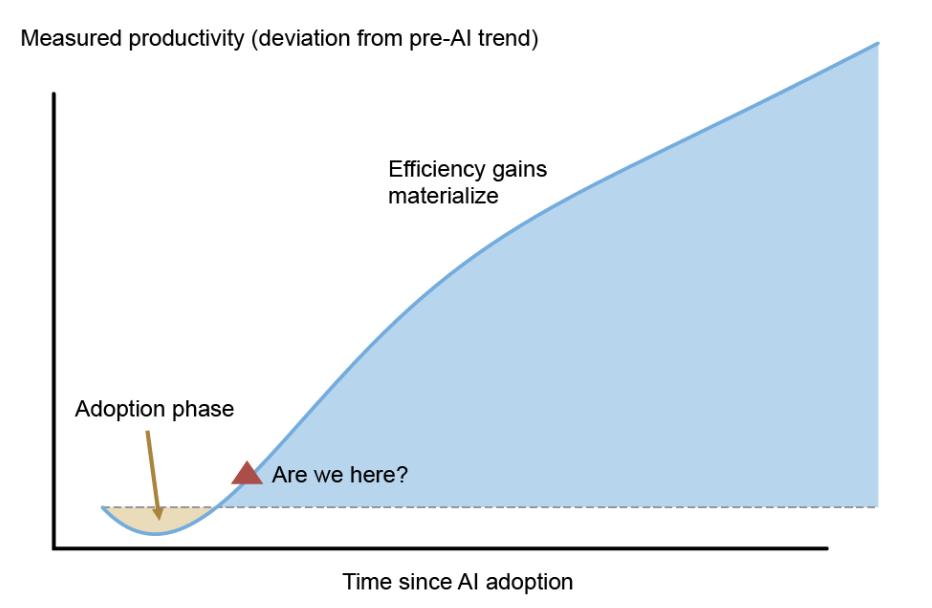
Adoption of artificial intelligence has expanded beyond large technology firms into industrials, healthcare and consumer sectors. Companies that apply AI to improve efficiency or reduce operating costs can record higher productivity and stronger cash flow, according to corporate reports and investor disclosures.
Federal legislation referred to as the “One Big Beautiful Bill” Act contains provisions that raise near-term business cash flow, alter certain tax rules and encourage domestic investment projects. Those provisions can increase the resources companies have available for capital spending or share repurchases.
Asset managers focusing on value strategies are using bottom-up selection processes that weigh intrinsic value, business fundamentals and momentum. The BNY Mellon Dynamic Value ETF, ticker BKDV, is an actively managed fund that follows such an approach. BKDV’s net asset value was up 32.13% over the 12 months ending April 30, 2026.
Investors are watching upcoming inflation reports, the Fed’s policy path under Warsh, corporate earnings tied to AI spending and the direct effects of the new federal legislation on company cash flow to inform portfolio decisions.
Articles by this author