ExxonMobil seen outpacing S&P 500 in 2026
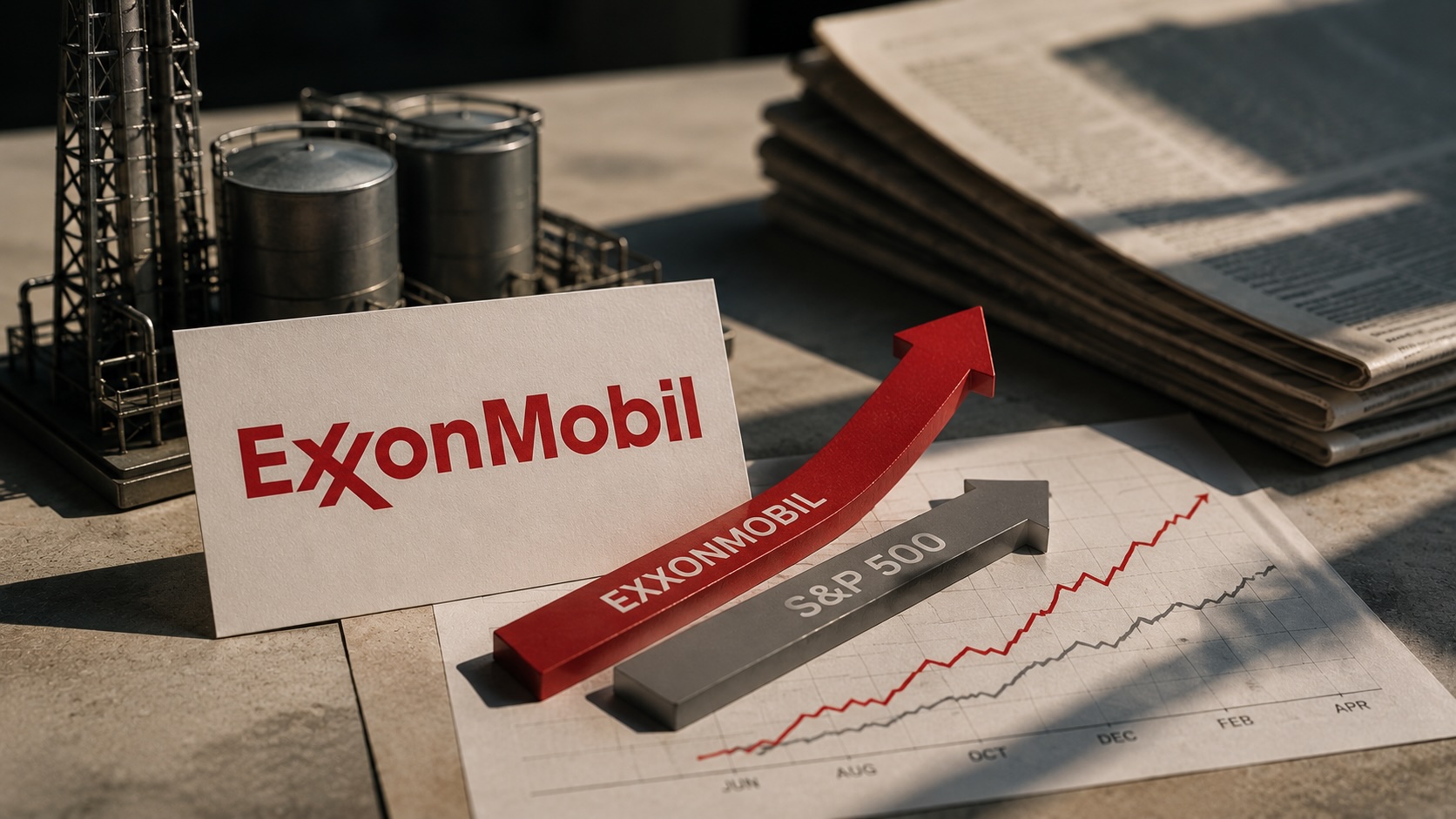
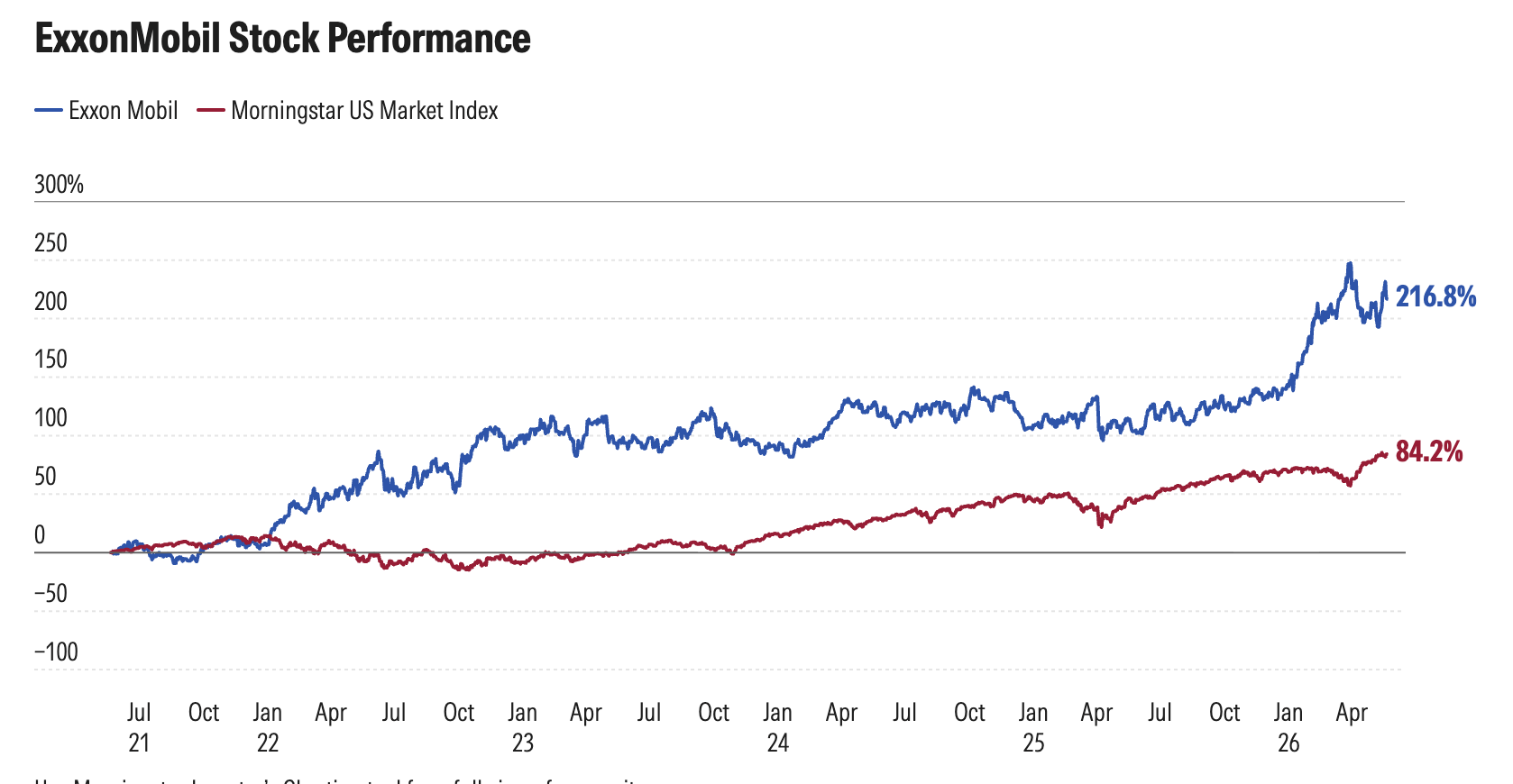
Analysts say ExxonMobil could outpace the S&P 500 in 2026 as Middle East supply disruptions lift oil prices; Exxon shares are up about 24% this year versus the S&P’s 10%.
An analysis predicts ExxonMobil will outperform the S&P 500 in 2026 amid higher oil prices following supply disruptions in the Middle East. The report cites a roughly 24% gain in Exxon shares year to date, compared with about a 10% rise for the S&P 500.
The analysis points to the conflict in the Middle East and what analysts describe as an effective closure of the Strait of Hormuz. Those developments have removed millions of barrels of oil from global markets and pushed Brent crude prices higher, narrowing the gap between crude and refined product costs and raising margins for integrated energy companies.
ExxonMobil’s combination of upstream production, refining capacity and chemicals operations allows the company to earn across the full oil and fuels value chain. The report says this integration has helped boost near-term margins and cash flow when crude prices rise.
The analysis highlights ExxonMobil’s capital program and dividend record. The company has prioritized spending on projects with higher returns while continuing cash returns to shareholders, which analysts view as supportive for investors seeking steady income during market volatility.
Reuben Gregg Brewer wrote, “Exxon is benefiting from investor enthusiasm right now. Only, the excitement around the stock is tied to a very real-world event: the geopolitical conflict in the Middle East.” He added that “investor emotions often drive short-term moves, but in Exxon’s case, enthusiasm is grounded in fundamentals.”
The report notes risks to the outlook. If diplomatic talks between the United States and Iran restore oil flows, crude prices could ease. The analysis says full normalization would likely take months because mines must be cleared, damaged infrastructure repaired and shipping routes restored before global supply returns to prior levels.
The analysis also mentions broader economic effects. Higher oil prices can contribute to inflation and complicate Federal Reserve policymaking, which could lead to additional rate increases and put pressure on equity valuations across many sectors. At the same time, sustained elevated crude would directly support ExxonMobil’s near-term earnings and cash generation.
The analysis recommends that investors monitor developments in Middle East negotiations and the pace of supply restoration, which it identifies as key variables for ExxonMobil’s relative performance through 2026.
Tags
Articles by this author