US ETFs debut: autocallable, crypto and infrastructure funds
New ETFs began trading in the U.S. May 7–14, 2026, including autocallable funds from GraniteShares and VegaShares, crypto ETFs from 21Shares and option-income QVOL.
Issuers that listed new products during the week included GraniteShares, VegaShares, 21Shares, Infrastructure Capital, Goaltender, NYLI, SMART and Amana.
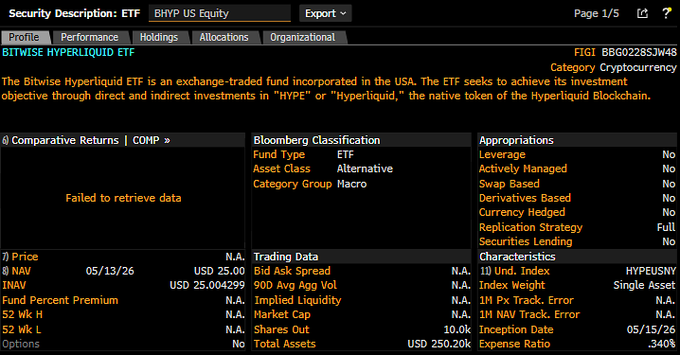
Major launches included 21Shares Active Crypto ETF (TKNS) and 21Shares Hyperliquid ETF (THYP); GraniteShares Autocallable MSTR ETF (MSR) and GraniteShares Autocallable COIN ETF (ATC); VegaShares US Equity Autocallable Income ETF (VAIE) on NYSE Arca; and Infrastructure Capital Nasdaq Option Income ETF (QVOL). Other new listings were Goaltender ETF (GTND), NYLI International Small-Mid Cap Equity ETF (NISM), SMART Small Cap ETF (SSCP), SMART Mid Cap ETF (SMCP) and four Amana funds: Equity Income ETF (AMEI), Growth ETF (AMGR), Developing World ETF (AMEM) and Sukuk ETF (AMSU).
Autocallable ETFs offer scheduled income payments and include a feature that can automatically redeem shares if referenced assets meet predefined thresholds on observation dates. GraniteShares’ MSR and ATC reference the equities MSTR and COIN in their names. VegaShares’ VAIE applies an autocallable structure to U.S. equity exposure. These products use option contracts and trigger levels to determine early redemption and payoff outcomes.
Infrastructure Capital’s QVOL uses Nasdaq-listed options as part of its income strategy. The fund’s structure includes selling option premium as a source of cash flow. 21Shares’ TKNS is listed as an active crypto ETF and THYP carries a Hyperliquid label; both are additions to 21Shares’ suite of crypto-related exchange-traded products.
The NYLI NISM fund targets international small- and mid-cap equities. SMART’s SSCP and SMCP focus on U.S. small- and mid-cap equity segments. Amana’s four launches cover equity income, growth, developing-market equities and sukuk, the latter providing exposure to Islamic fixed-income instruments.
Prospectuses and fund documents list each fund’s stated strategy, risk factors, fee structure and details on autocall or option features. Investors can consult those filings for the specific mechanics and risks associated with these products.
Tags
Articles by this author